A state finds courage - loud huzzahs for Nevadans - Nullification Rules!

August 13, 2014, from TurnItOffNow!
Whenever I explain the OffNow Project to someone, they initially respond enthusiastically. Something to the effect of, "Wow! That's cool! The federal government shouldn't be spying on us!" But when I further explain that the idea behind OffNow includes shutting off state supplied resources to NSA facilities – like the water necessary to cool the super-computers at the Bluffdale, Utah spy facility – those same people get nervous. "Shutting off the water seems like an extreme move. Can we even do that?" they ask.
Yes, we can do that.
And it will work.
It's been done before at a place called Yucca Mountain, Nevada.
Yucca Mountain is located about 90 miles northwest of Las Vegas. It was originally selected as a nuclear waste dump site for the country in 1987, but it wasn't until 2002 that President Bush and Congress officially approved the site and moved to make the dump a reality.
This was not a popular move in Nevada. The Governor filed an official Notice of Disapproval of the site selection with Congress, but Congress overrode it.
In the years leading up to 2002, it became clear that Yucca Mountain would not meet EPA standards required for a nuclear waste dump. The area is prone to earthquakes and even some recent volcanic activity. Moreover, the nuclear waste repository would be located above the water table in an oxidizing setting that would corrode the waste containers over time. Obviously, Yucca Mountain was not a safe place for nuclear waste. But the federal government apparently had its heart set on the site. Instead of telling the Department of Energy (DOE) to abandon the proposed nuclear waste dumping site, the EPA just changed its standards so the project could move forward.
As a result, Nevada filed several lawsuits against the the EPA and the Nuclear Regulatory Commission (NRC) disputing the EPA's standards for the site, as well as asserting the NRC's duty to uphold public and health safety standards.
But the state didn't simply count on the federal courts to protect it. It took some action of its own.
In addition to these lawsuits, Nevada denied the DOE's five applications for the use of water to construct and operate the proposed high-level nuclear waste repository at Yucca Mountain . The federal government wanted to continue taking soil samples from the site despite all of the negative results it had already obtained. To run the drill rigs necessary to take soil samples as well as other operations , the feds needed to pump 430 acre-feet of water to the area each year. But state law governs the use of groundwater. So, the Nevada State Engineer rejected the applications on the basis that the intended repository was detrimental to the public interest. Nevada still allowed DOE officials to use a limited amount of water at the site for showers, restrooms, and fire emergencies, but effectively blocked the drilling operation, slowing progress on the project to a crawl.
Of course, DOE filed suit against Nevada in U.S. District Court in Las Vegas, arguing that federal law preempted state water law.
The court ultimately sided with Nevada. In its 2007 ruling, the court found that the issues presented by the DOE did not involve federal preemption of state water law. In the U.S. District Judge's opinion, "The validity of Western states' groundwater rights and the right to regulate water in the public interest is not a right to be taken lightly, nor is it a right that can cavalierly be ignored or violated by a federal agency." Regarding the federal preemption argument he wrote, "At present…the only public interest issue is whether state officials can be precluded from exercising their lawfully mandated duties, or whether a federal agency can run roughshod over a state's rights or interest without specific authority and mandate to do the precise activities it wishes to do."
In 2010, after many years of legal wrangling, President Obama announced that the federal government planned to kill the project. As a result, the Energy Department withdrew its application to the State of Nevada for access to water at the site.
Today, it appears that the Yucca Mountain project is dead.
The Yucca Mountain saga illustrates the power of state action. Nevada exercised its right to exercise control over its own resources and refused to provide them to the federal government. Essentially, Nevada said, "We are not going to help you complete a project that we believe will prove detrimental to the people of our state."
It worked. The feds didn't just march up the mountain and take the water. The court upheld the state's right to refuse cooperation under the anti-commandeering doctrine. And the state action ultimately forced the federal government to scrap its plan.
It was a major win for the state.
We plan to use the same tactics Nevada employed at Yucca Mountain against the NSA to turn it off and shut down its unlawful spying on American citizens.
We can do it. And it will work!
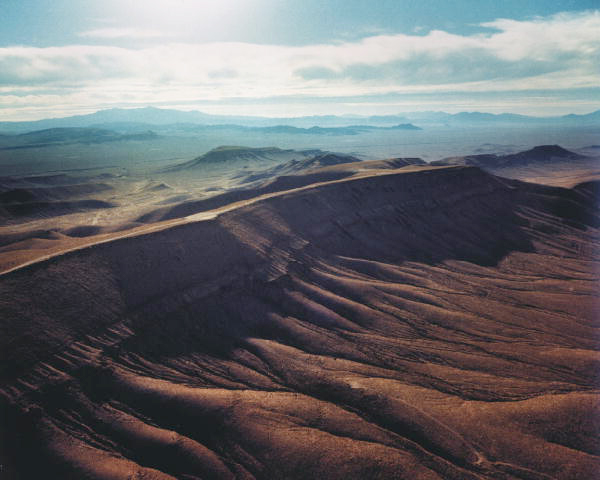
Yucca Mountain nuclear waste repository. From Wikipedia
August 13, 2014, from TurnItOffNow!
Nevada Beats Feds By Turning Off Their Water on Yucca Mountain
By Lori RardonWhenever I explain the OffNow Project to someone, they initially respond enthusiastically. Something to the effect of, "Wow! That's cool! The federal government shouldn't be spying on us!" But when I further explain that the idea behind OffNow includes shutting off state supplied resources to NSA facilities – like the water necessary to cool the super-computers at the Bluffdale, Utah spy facility – those same people get nervous. "Shutting off the water seems like an extreme move. Can we even do that?" they ask.
Yes, we can do that.
And it will work.
It's been done before at a place called Yucca Mountain, Nevada.
Yucca Mountain is located about 90 miles northwest of Las Vegas. It was originally selected as a nuclear waste dump site for the country in 1987, but it wasn't until 2002 that President Bush and Congress officially approved the site and moved to make the dump a reality.
This was not a popular move in Nevada. The Governor filed an official Notice of Disapproval of the site selection with Congress, but Congress overrode it.
In the years leading up to 2002, it became clear that Yucca Mountain would not meet EPA standards required for a nuclear waste dump. The area is prone to earthquakes and even some recent volcanic activity. Moreover, the nuclear waste repository would be located above the water table in an oxidizing setting that would corrode the waste containers over time. Obviously, Yucca Mountain was not a safe place for nuclear waste. But the federal government apparently had its heart set on the site. Instead of telling the Department of Energy (DOE) to abandon the proposed nuclear waste dumping site, the EPA just changed its standards so the project could move forward.
As a result, Nevada filed several lawsuits against the the EPA and the Nuclear Regulatory Commission (NRC) disputing the EPA's standards for the site, as well as asserting the NRC's duty to uphold public and health safety standards.
But the state didn't simply count on the federal courts to protect it. It took some action of its own.
In addition to these lawsuits, Nevada denied the DOE's five applications for the use of water to construct and operate the proposed high-level nuclear waste repository at Yucca Mountain . The federal government wanted to continue taking soil samples from the site despite all of the negative results it had already obtained. To run the drill rigs necessary to take soil samples as well as other operations , the feds needed to pump 430 acre-feet of water to the area each year. But state law governs the use of groundwater. So, the Nevada State Engineer rejected the applications on the basis that the intended repository was detrimental to the public interest. Nevada still allowed DOE officials to use a limited amount of water at the site for showers, restrooms, and fire emergencies, but effectively blocked the drilling operation, slowing progress on the project to a crawl.
Of course, DOE filed suit against Nevada in U.S. District Court in Las Vegas, arguing that federal law preempted state water law.
The court ultimately sided with Nevada. In its 2007 ruling, the court found that the issues presented by the DOE did not involve federal preemption of state water law. In the U.S. District Judge's opinion, "The validity of Western states' groundwater rights and the right to regulate water in the public interest is not a right to be taken lightly, nor is it a right that can cavalierly be ignored or violated by a federal agency." Regarding the federal preemption argument he wrote, "At present…the only public interest issue is whether state officials can be precluded from exercising their lawfully mandated duties, or whether a federal agency can run roughshod over a state's rights or interest without specific authority and mandate to do the precise activities it wishes to do."
In 2010, after many years of legal wrangling, President Obama announced that the federal government planned to kill the project. As a result, the Energy Department withdrew its application to the State of Nevada for access to water at the site.
Today, it appears that the Yucca Mountain project is dead.
The Yucca Mountain saga illustrates the power of state action. Nevada exercised its right to exercise control over its own resources and refused to provide them to the federal government. Essentially, Nevada said, "We are not going to help you complete a project that we believe will prove detrimental to the people of our state."
It worked. The feds didn't just march up the mountain and take the water. The court upheld the state's right to refuse cooperation under the anti-commandeering doctrine. And the state action ultimately forced the federal government to scrap its plan.
It was a major win for the state.
We plan to use the same tactics Nevada employed at Yucca Mountain against the NSA to turn it off and shut down its unlawful spying on American citizens.
We can do it. And it will work!


